If you are torn between a historic home and a newer build in Farmington, you are asking the right question. This town offers both a well-defined historic core and an active pipeline of newer housing, which means your decision is less about what is available in theory and more about what fits your lifestyle, budget, and long-term plans. In this guide, you will see the key tradeoffs, the local rules that matter, and the practical questions to ask before you buy. Let’s dive in.
Farmington Gives You Two Distinct Paths
Farmington has a long architectural history, and that is not just part of its charm. The town says the Farmington Village Historic District was established in 1964, and its historic walks highlight homes dating from 1640 to 1799 along with residences from the 1800s. If you love period details and a strong sense of place, that historic backdrop can be a major draw.
At the same time, Farmington is not frozen in time. The town’s FY 2023–2024 annual report says housing prices rose more than 10% from 2023 to 2024 because of low housing stock and stronger demand, while new multifamily projects and additional residential lots moved through the pipeline. The Building Division also issued 2,369 permits in FY 2023–2024, which points to meaningful renovation and construction activity.
Why Buyers Choose Historic Homes
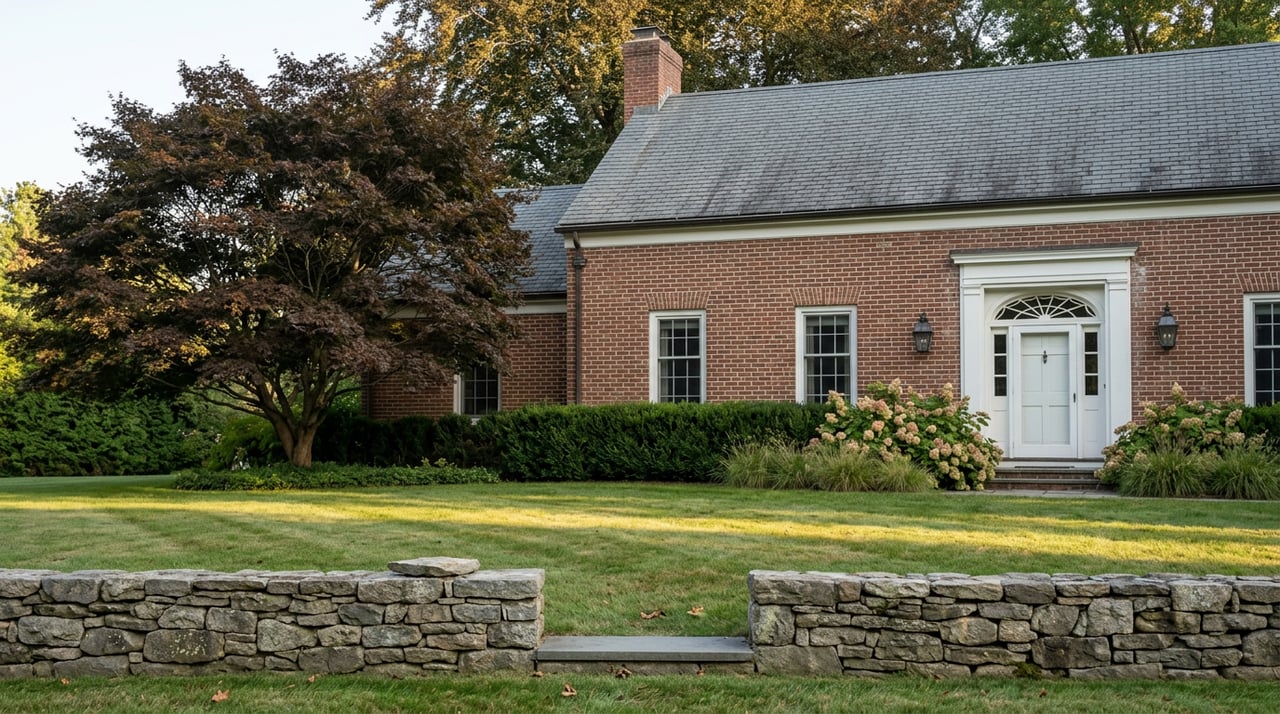
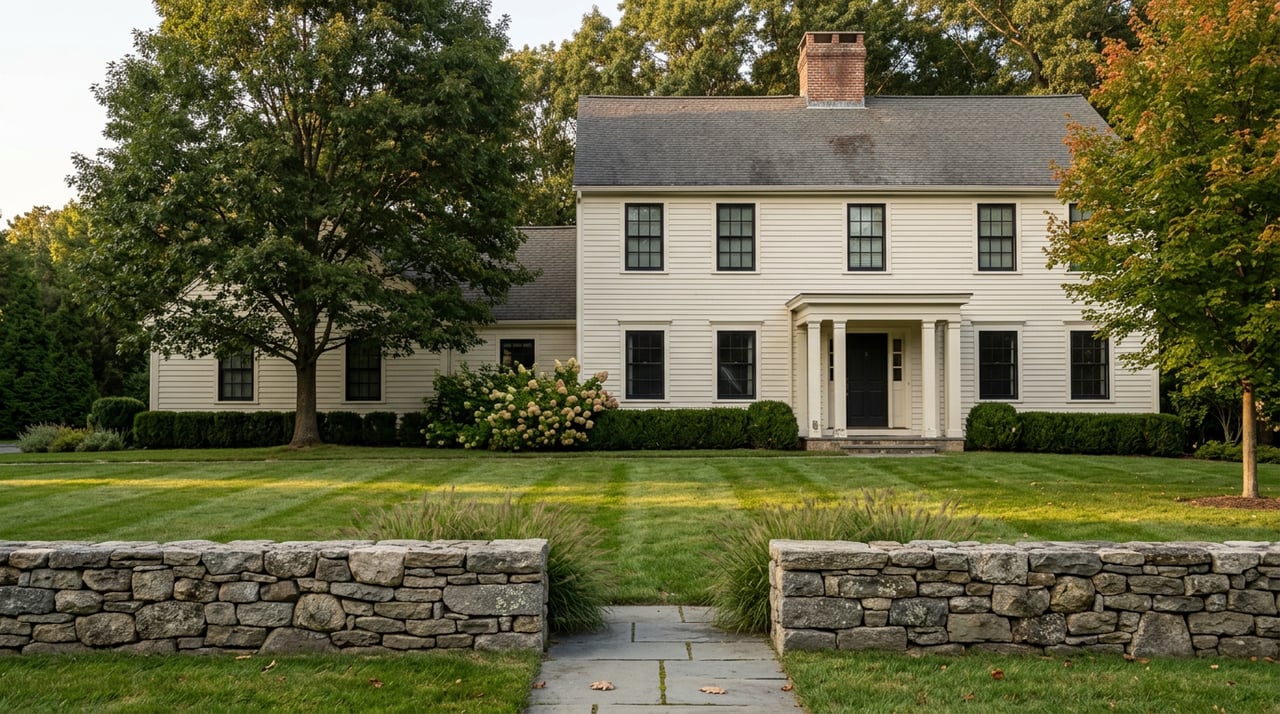
Historic homes in Farmington often appeal to buyers who want character that is difficult to recreate. You may find original proportions, older materials, and a setting shaped by generations of stewardship. For many buyers, that feeling of authenticity is the main reason to focus on an older home.
Another advantage is context. Historic properties are often part of established streetscapes where the architecture and exterior appearance are treated with care over time. If you value a home that feels connected to Farmington’s history, this can be a compelling fit.
Historic Homes Come With More Process
That character usually comes with added review if the property is in the historic district. According to the Historic District Commission, items such as replacement windows, additions, sheds or detached garages, driveways and walkways, gutters, skylights, solar panels, and demolition can require review. The commission also notes that a building permit and or zoning permit may still be needed.
That matters because your plans for the home may not be as simple as choosing finishes and hiring a contractor. The Building Division says permits must be filed through the town’s online system, and a zoning fee is added when a footprint moves outward or other structures are added. If you are considering a historic home, it is smart to understand that timeline early.
Older Homes Need Careful Due Diligence
With an older property, the age of the home shapes the questions you should ask. Roof age, window condition, and the age and service history of mechanical systems can all affect your near-term costs. These are not reasons to avoid an older home, but they are reasons to investigate thoroughly.
Lead-safe planning is another issue to keep in mind. The EPA says homes built before 1978 are more likely to contain lead-based paint, and renovation, repair, or painting work can create lead dust. If you are buying an older Farmington home and planning updates, that is an important part of your preparation.
Historic Homes May Offer Improvement Potential
An older home does not always mean permanently higher operating costs. ENERGY STAR says air sealing and adding insulation can save an average of 15% on heating and cooling costs. That means a historic property may offer room to improve comfort and efficiency over time, depending on the home and the scope of work.
There may also be a tax incentive in select cases. If a Farmington home is individually listed on the State or National Register, Connecticut’s Historic Homes Rehabilitation Tax Credit can return 30% of qualified rehabilitation costs up to $30,000. Not every historic-looking home will qualify, so this is a detail worth confirming early in the process.
Why Buyers Choose Newer Homes
Newer homes usually attract buyers who want a more predictable ownership experience at the start. If you would rather spend less time planning upgrades and more time settling in, newer construction can be appealing. Many buyers also value the cleaner efficiency baseline that comes with newer building practices.
ENERGY STAR says certified new homes and apartments must meet strict efficiency requirements and offer better energy efficiency and performance than other homes and apartments. The U.S. Department of Energy also says new-home construction can save money and energy through better insulation and air sealing. In addition, the U.S. Energy Information Administration reports that homes built in 2000 or later use 21% less energy for space heating on average than older homes because of better building shells and more efficient heating equipment.
Newer Homes Can Mean Fewer Early Projects
One of the biggest advantages of a newer home is that many major components are simply newer. That can reduce the number of immediate decisions you face around windows, insulation, roofing, or heating equipment. If you are relocating, buying on a tighter timeline, or managing a move from out of state, that simplicity can be especially valuable.
Newer homes also tend to feel more standardized in their construction process and systems. For some buyers, that reduces uncertainty and makes budgeting easier during the first few years of ownership. You may still have maintenance, of course, but often with fewer surprise retrofit needs upfront.
Newer Inventory May Be More Limited
The tradeoff is supply. In Farmington, newer inventory appears to be more limited and project-based rather than widely available across every price point and setting. The town’s FY 2023–2024 annual report says three of five approved multifamily projects had begun, two affordable housing projects had been approved, subdivision approvals created 19 residential lots, and two new apartment buildings at 80 and 90 South Road were under construction at the time of the report.
That means finding a newer home in Farmington may depend on timing, location, and what is currently under construction or recently completed. If your search is highly specific, you may need to weigh whether a newer home in your target range is truly available now. The Building Division also notes that new residential dwellings receive a Certificate of Occupancy, which underscores that new construction still involves a formal town process.
How To Compare Historic Vs. Newer
The right choice usually comes down to how you want to live, not just what style you admire. A historic home may be the better fit if you care most about period character, established surroundings, and the experience of owning a home with preservation context. A newer home may be the better fit if you prioritize energy efficiency, fewer near-term projects, and a more streamlined move-in experience.
Farmington’s market conditions make this an important decision either way. The town’s annual report says prices rose more than 10% amid low stock and stronger demand, so both property types can hold strong appeal when they are well maintained. In a market like this, the best purchase is often the one that matches your plans over the next five to ten years.
Questions To Ask Before You Buy
Whether you lean historic or newer, a few local questions can help you compare homes more clearly.
If You Are Considering A Historic Home
- Is the property inside the Farmington Village Historic District?
- What exterior work would trigger Historic District Commission review?
- How old are the roof, windows, and mechanical systems?
- If updates are planned, do lead-safe precautions matter because of the home’s age?
- Is the home individually listed on the State or National Register, and could the Connecticut historic rehabilitation tax credit apply?
If You Are Considering A Newer Home
- How much newer inventory is actually available in your price range?
- Is the home newly built, recently built, or part of a project still under development?
- What efficiency features are already in place?
- Has the home received its Certificate of Occupancy if it is brand new?
- How does the location and lot setting compare with older parts of Farmington?
A Smart Way To Decide In Farmington
In Farmington, this choice is rarely just old versus new. It is really character versus convenience, preservation context versus flexibility, and potential projects versus a more turnkey start. Neither option is better for everyone, but one is usually better for you once you look closely at your timeline, comfort with updates, and budget for future work.
If you want a thoughtful, local perspective as you weigh Farmington homes, Ellen Sebastian offers the kind of steady guidance that helps you compare options clearly and move forward with confidence.
FAQs
What should you ask before buying a historic home in Farmington?
- Ask whether the home is inside the historic district, what exterior changes may require review, how old major systems are, whether lead-safe precautions could matter, and whether a historic tax credit might apply.
What are the main benefits of a newer home in Farmington?
- A newer home may offer a stronger efficiency baseline, fewer immediate retrofit projects, and a more predictable move-in experience.
Does exterior work on a historic Farmington home require town review?
- Yes, the Historic District Commission says projects such as windows, additions, sheds, detached garages, driveways, walkways, gutters, skylights, solar panels, and demolition can require review.
Are newer homes widely available in Farmington right now?
- Farmington has newer housing activity in the pipeline, but the town’s annual report suggests newer inventory is more limited and project-based than abundant.
Can an older Farmington home become more energy efficient?
- Yes, ENERGY STAR says air sealing and adding insulation can save an average of 15% on heating and cooling costs, which may help improve an older home’s performance over time.