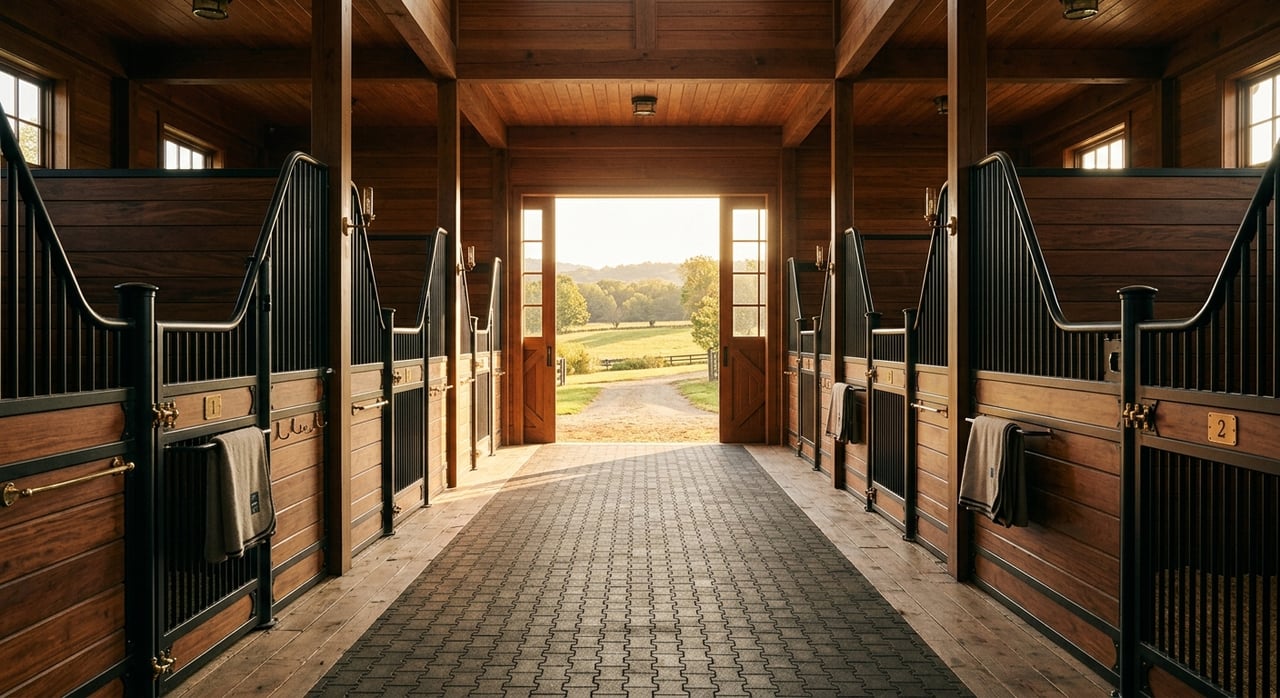
If you picture Connecticut country living as a mix of open land, working farms, and horse-friendly properties, Granby deserves a close look. For many buyers, the appeal is not just finding a home with acreage. It is finding a town where agriculture, trails, and rural land use are still an active part of daily life. In Granby, that identity is real, and understanding it can help you buy or sell with more confidence. Let’s dive in.
Why Granby Feels Genuinely Rural
Granby’s farm identity is more than a marketing theme. The town’s Agricultural Commission presents Granby as a working farm community with small farms, orchards, dairy operations, horse ranches, equestrian centers, vegetable farms, and more. Events like Open Farm Day also show that agriculture remains part of local civic life.
That rural feel carries into the housing stock. According to Granby’s affordable-housing plan, 90.5% of housing units are single-family detached, and 90.2% are owner-occupied. In practical terms, that means much of Granby is defined by lower-density residential living rather than compact suburban development.
For buyers drawn to country properties, that matters. You are not just purchasing land or a barn. You are stepping into a town where acreage living fits the broader landscape and local identity.
Farm Living in Granby
Granby offers a wide mix of farm-related properties and uses, from smaller hobby-style settings to more active agricultural operations. The town’s farm directory includes dairy farms, goat farms, orchards, horse ranches, beef cattle, hemp farming, and vegetable production. That range helps explain why the market can appeal to both lifestyle buyers and those looking for a property with real agricultural potential.
One of the best-known examples is Holcomb Farm. It is a 317-acre historic working farm with a year-round CSA, 25 cultivated acres, more than 10 miles of trails, and a Fresh Access food-donation program. That kind of property reflects the way farming and land stewardship overlap in Granby.
The local farm culture also extends to vineyard and orchard settings. Lost Acres Vineyard in North Granby is built around vineyard farming and produces wine from grapes grown on site. The Agricultural Commission also highlights producers such as Lost Acres Orchard, Clark Farms at Bushy Hill Orchard, and Maple View Farm, which adds to the area’s farm-store and orchard character.
Equestrian Living Is Part of the Landscape
For horse owners and equestrian buyers, Granby stands out because the horse community is not isolated. It is woven into the town’s broader land use, trail network, and agricultural culture. The town lists the Granby Horse Council, and the Agricultural Commission directory includes a broad mix of horse-related operations.
Those operations include Angel Horses, Double Nickel Ranch, Lael Farm, Meadow View Horse Farm, Strain Family Horse Farm, Sunflower Equestrian, and Valkyrie Equestrian. Together, they reflect a local equestrian scene that includes sanctuary, boarding, training, and trail-oriented uses. If you are searching for a horse property, that existing infrastructure can be a major advantage.
For sellers, this is also important positioning. A horse-friendly property in Granby is not just selling land and outbuildings. It may also offer access to a town where equestrian use is familiar, visible, and supported by surrounding amenities and open space.
Trails and Open Space Add Real Value
Acreage living in Granby is shaped as much by protected land as by private parcels. The town’s open-space map says about 35% of Granby, or 9,118 acres, is preserved open space. The Granby Land Trust reports 3,491 protected acres through land ownership and conservation easements.
That level of preservation helps keep the town’s rural character intact. It also means the setting around a property may include long-term open land, trail access, and a stronger sense of privacy and continuity. For many buyers, that is a key reason Granby feels different from a typical suburban market.
Granby’s conservation plan specifically identifies preserving farmland, groundwater, and connected hiking, biking, and horse trails as town priorities. It names Holcomb Farm, the McLean Game Refuge, and Enders State Forest as central parts of the open-space network. That kind of planning reinforces the long-term appeal of country properties here.
Trail Access for Riders and Walkers
Granby’s trail network is especially relevant if you want a property that supports an outdoor lifestyle. Holcomb Farm says its trails connect with Granby Land Trust properties and the McLean Game Refuge. McLean spans 4,400 acres across Granby, Simsbury, and Canton and includes more than 20 miles of hiking trails and forest roads.
Horseback riding is allowed in specific ways on some of these lands. McLean permits horse riding only on yellow-blazed trails from April 15 through November 30, while Holcomb Farm allows horseback riding on all woodland trails and on preferred horse trails in the fields. At the state level, Connecticut DEEP says horseback riding is allowed on all trails unless posted otherwise.
For buyers, that trail access can shape how you evaluate a property. A home with acreage may become even more appealing when it also sits within a larger network of connected open land and riding opportunities.
What Buyers Should Know About Zoning
In Granby, zoning is a major part of buying a farm or equestrian property. The town’s regulations explicitly support agricultural use in ways that matter to acreage buyers. Livestock are allowed in residential zones on lots of 30,000 square feet or more, and horses are classified as Class A livestock.
The code also says farms are exempt from animal-unit limits. Barns are permitted in several residential zones, and horse boarding or instructional activities conducted for compensation require parking. The regulations also address manure and fence setbacks and allow farm stores, farm tours, agritourism, and certain agricultural events on active farm sites.
That does not mean every property will work for every plan. It does mean Granby has a framework where agricultural and horse-related uses are recognized and addressed directly. Before you move forward, it is wise to review how the zoning applies to the specific parcel and intended use.
Wells, Septic, and Outbuildings
Infrastructure is another important part of country-property due diligence. Granby’s planning documents say most properties rely on wells and septic systems, with public water and sewer available only in limited parts of town, mainly in Granby Center and along the Route 10 corridor. For many acreage buyers, that will be a normal part of ownership.
If you are planning a shed, barn, or other accessory structure, the town says a building permit is required. Staff review setbacks, wells, septic systems, and utilities before approving placement. That makes site planning especially important when you are considering expansions or improvements.
These details are not reasons to avoid rural property. They are simply part of buying wisely. The more clearly you understand the land, utilities, and approval process, the better positioned you are to make a sound decision.
Easements and Land Records Matter
In a town with this much preserved land, it is important to look closely at recorded details tied to a property. Granby offers searchable land records and property-record alerts, which can help buyers review available documentation before and during due diligence. That can be especially useful when you are evaluating acreage, trail access, or prior land restrictions.
The Granby Land Trust’s conservation footprint also shows how common protected or partially protected land is in town. In real-world terms, that means some properties may involve conservation easements, access considerations, or other recorded restrictions. Those details can affect how land is used, improved, or marketed.
For sellers, this is where careful preparation matters. Clear records, strong property documentation, and thoughtful presentation can help serious buyers understand the value of the land while reducing uncertainty.
What This Means for Buyers and Sellers
If you are buying in Granby, farm and equestrian living can offer a rare mix of privacy, utility, and everyday access to open land. The appeal goes beyond aesthetics. You may be buying into a town where agriculture is active, trails are meaningful, and zoning makes room for rural uses.
If you are selling, that same context can strengthen your property’s story. A well-positioned farm, estate, or horse property may benefit from marketing that highlights acreage, outbuildings, trail connections, agricultural flexibility, and the town’s preserved landscape. For distinctive properties, polished presentation and informed local guidance can make a meaningful difference.
Granby is not simply rural in appearance. It is a town where farms, horses, trails, and land stewardship still shape the market in visible ways. If you are considering a move, a sale, or a closer look at acreage living in Hartford County, working with an advisor who understands how to present and evaluate these properties is a smart place to start.
When you are ready to explore Granby’s farm and equestrian market with a thoughtful, high-touch approach, connect with Ellen Sebastian.
FAQs
What makes Granby, Connecticut appealing for farm living?
- Granby is known as a working farm community with small farms, orchards, dairy operations, vegetable farms, vineyards, and agricultural events like Open Farm Day, which supports its strong rural identity.
What makes Granby, Connecticut attractive for equestrian living?
- Granby has an established horse community with multiple equestrian operations, horse-friendly zoning provisions, and access to trails and preserved land that support riding and outdoor use.
What should buyers know about zoning for horse properties in Granby, Connecticut?
- Granby zoning allows livestock in residential zones on lots of 30,000 square feet or more, classifies horses as Class A livestock, permits barns in several residential zones, and includes standards for parking, setbacks, and related agricultural uses.
What utilities are common on acreage properties in Granby, Connecticut?
- Most Granby properties rely on wells and septic systems, while public water and sewer are available only in limited parts of town, mainly around Granby Center and the Route 10 corridor.
Why do easements and land records matter for Granby, Connecticut properties?
- Because Granby has a significant amount of protected and conserved land, buyers should review land records, easements, and any recorded restrictions that may affect how a property can be used or improved.